The Order I Build a Channel In: Niche, Tools, Rights, Then Reach
There was a stretch where I genuinely believed the instruction was: publish enough and the platform will eventually notice. So I published. The first forty videos went almost nowhere, and I told myself it was a matter of volume.
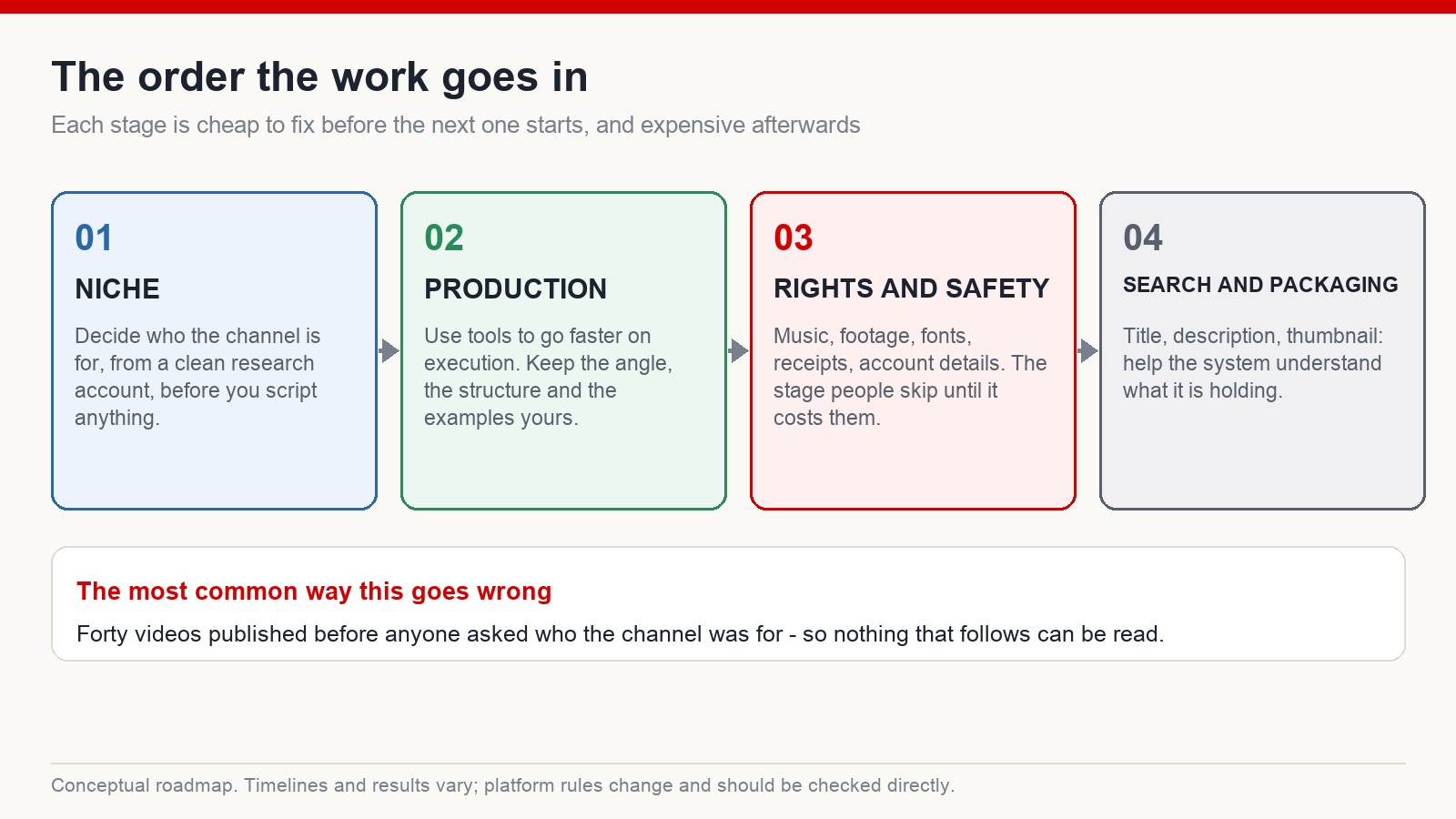
It was not. Nothing about those forty videos told anyone – human or algorithmic – who they were for. Publishing more of an unreadable channel just produces a larger unreadable channel.
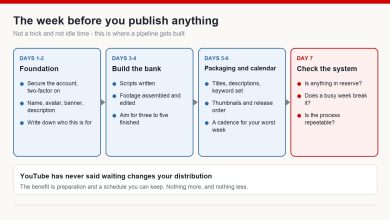
What follows is the order I now build in, and the order matters more than any individual tactic in it. Each stage is cheap to fix before the next one starts and expensive to fix afterwards.
Why the competition changed
Production used to be the filter. Making a decent video took skill, equipment and time, and that alone kept the field small.
Generative tools removed most of that barrier. Anyone can produce a competent-looking video now, which means competent no longer distinguishes anything. What is left as a differentiator is narrower and harder to copy: the idea, the way it is told, whether it is worth someone’s time, whether people stay to the end, and whether there is a repeatable operation behind it.
So the skill being rewarded moved from making videos to running a content operation. That is an uncomfortable shift if you got into this because you liked editing.
Stage one: decide who it is for
This is the stage people rush, and it determines the value of everything downstream. A clear niche makes the channel readable to the recommendation system, gives a returning audience a reason to return, and gives you a research target instead of a blank page.
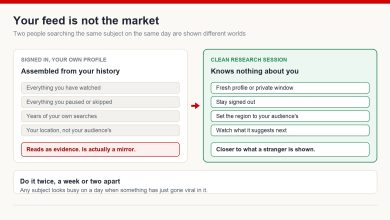
One mechanical thing first: do the research from a clean account, not your everyday one. Browse a niche while signed into the account you use for entertainment and half of what you see is a reflection of your own history. You end up studying yourself.
Then evaluate a candidate niche against questions like these.
- Are new channels in this space still getting traction, or is every visible channel years old?
- Are there recent videos performing well, plural – not one outlier everyone keeps citing?
- Is total attention in the space steady, rather than collapsing after a moment?
- Are there enough distinct subjects here to sustain a year of uploads?
- Can you say what makes your version different in one sentence?
- If you are aiming at an audience abroad, does the topic itself hold value for advertisers in that market – and are you comfortable that this varies by subject and season?
Then look at competitors properly. List ten to fifteen channels on the theme and spend a few days reading them: which videos travelled, what the packaging has in common, how often they publish, which formats hold attention to the end.
If nearly every newer channel in the space has been flat for a long time, that is information. It means either the space is saturated or it requires an angle nobody has found yet. Neither is a reason to publish forty videos and hope.
Stage two: use tools for speed, not for judgement
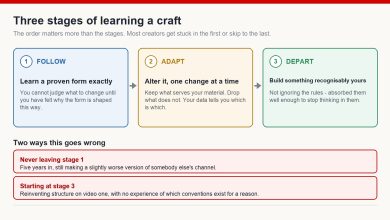
I use generative tools daily and I would not go back. But the split matters, and the split is what separates a channel with an advantage from a channel that just produces faster.
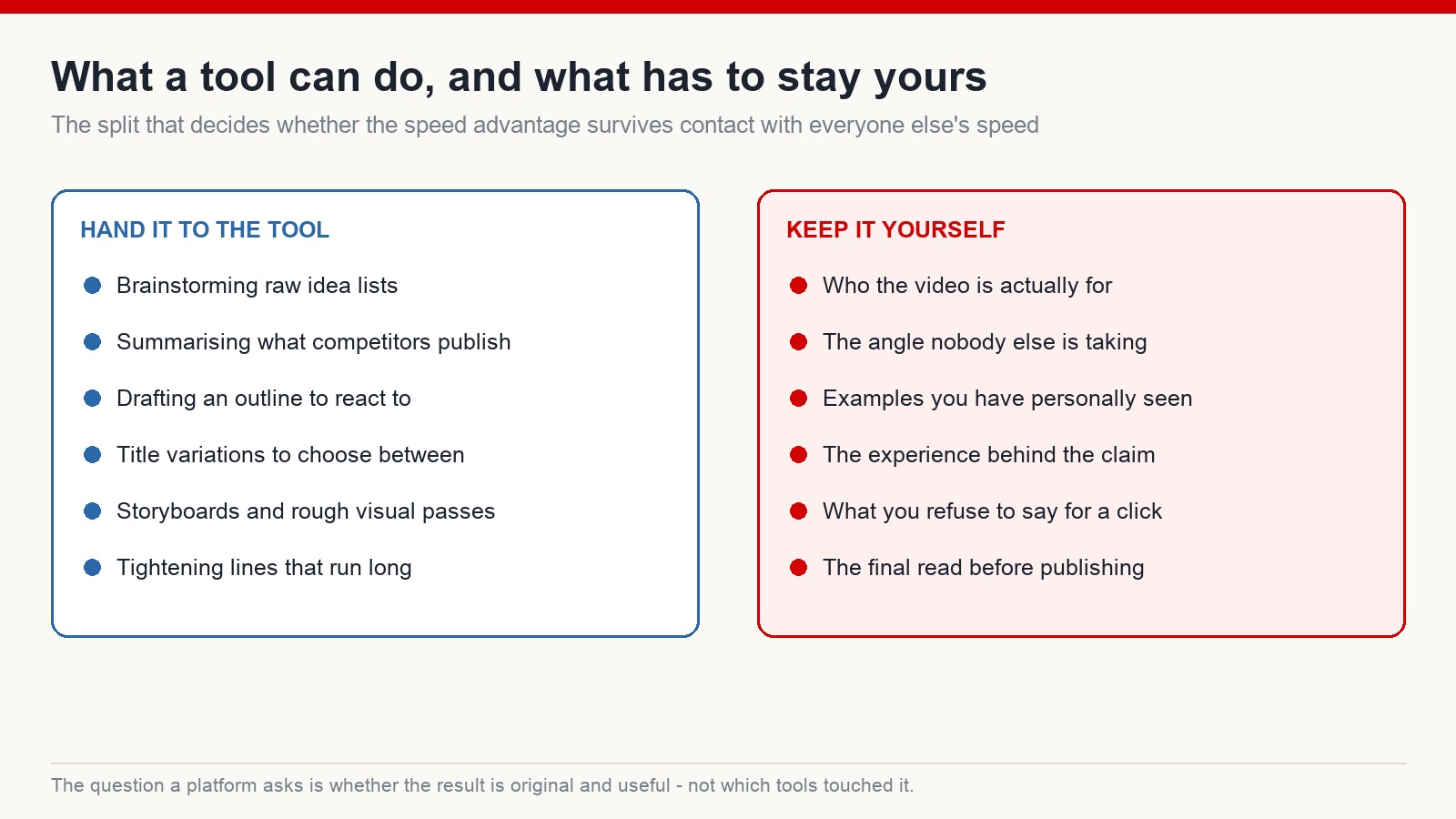
What I hand over: raw idea lists, summaries of what competitors are doing, a first outline I can argue with, title variants to choose between, rough storyboards, and cleaning up lines that run long.
What stays mine: who the video is for, the angle, the examples I have actually seen, the experience behind any claim, what I refuse to say for a click, and the last read before it goes out.
A typical workflow now involves a research assistant for gathering and structuring, a generative video tool for illustrative shots, a synthetic voice for narration, and a normal editor for assembly. The specific products change constantly – the division of labour does not.
On the question everyone asks – whether machine-assisted content affects monetization – what matters is not which tools touched the video. It is whether the result is original, useful, not misleading, and not mass-produced from a template. Platform policy on this has been rewritten more than once, so read the current version before you build a workflow that depends on an assumption about it.
Stage three: rights and account safety
More channels lose income to this stage than to a shortage of views, and it gets skipped because nothing about it is fun.
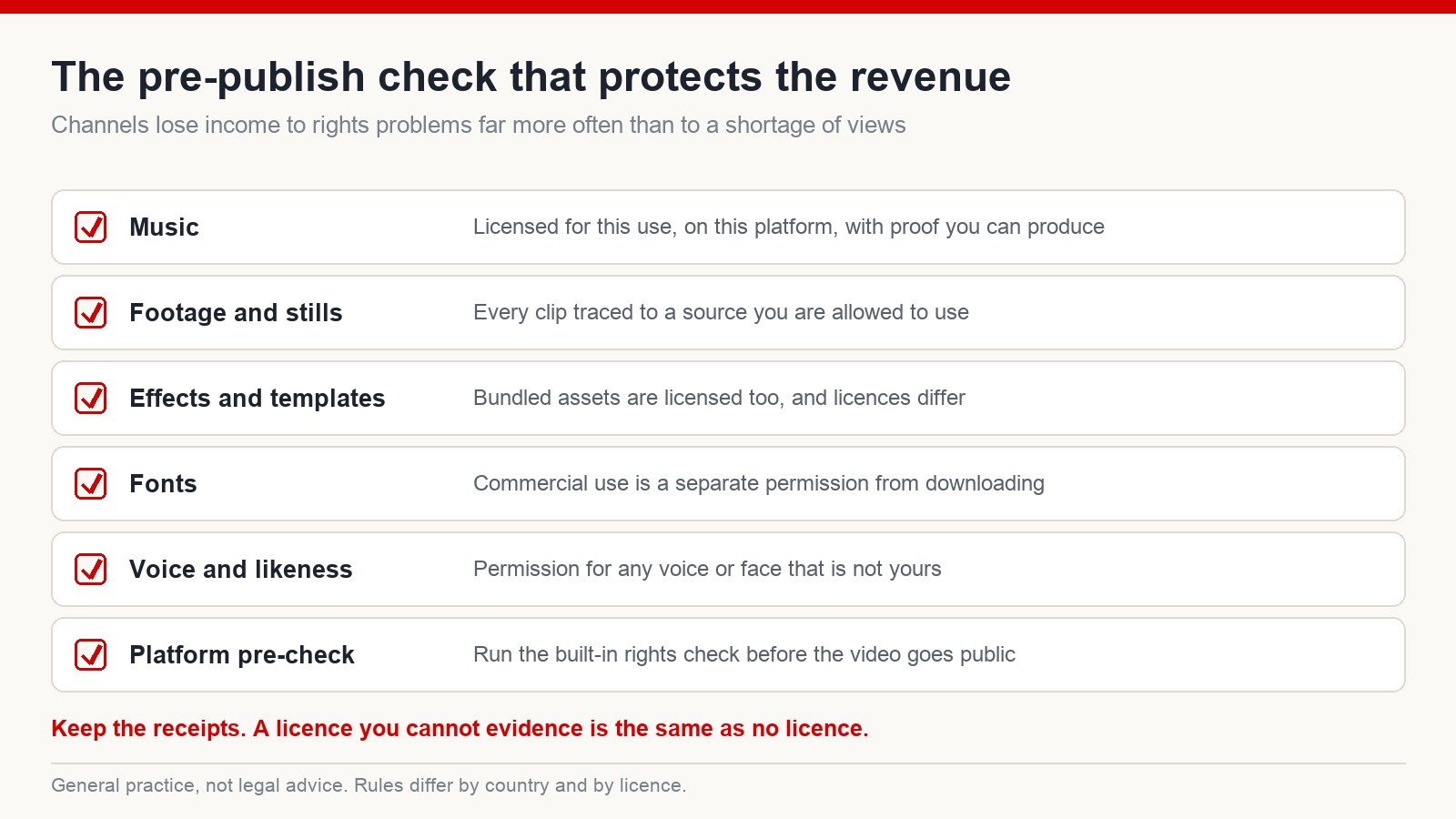
Before anything goes public, check the music, the footage and stills, any effects or templates, and the fonts – a licence to download is not automatically a licence for commercial use. Check permission for any voice or face that is not yours. Then run the platform’s own pre-publish rights check, which exists precisely so you find problems while the video is still private.
Keep the receipts. Store the licence for every asset somewhere you can find it in a year. A licence you cannot evidence functions, in a dispute, exactly like no licence.
The account side matters too: keep your identity and payment details accurate and matching your actual documents, because that is what turns a functioning channel into an unpaid one at the worst possible moment. And check policy updates periodically rather than assuming the rules you learned still apply. Complying is genuinely less work than trying to stay ahead of enforcement.
Stage four: help the system understand the video
Search optimization is no longer a matter of stuffing words anywhere they fit. It is making the subject of the video unambiguous.
The title needs the phrase people actually search plus a reason to click, without overpromising something the video does not deliver – the click you win with a false promise is repaid immediately in people leaving. The description should explain what the video covers in real sentences, include the related terms naturally, and point somewhere useful. A couple of directly relevant hashtags are enough.
The thumbnail carries the heaviest load, because it is where the decision is actually made. Study the layout conventions in your niche – what a viewer expects to see there – then build your own version rather than copying a competitor’s design outright.
What the revenue actually depends on
I want to be careful here, because this is where most articles start inventing numbers.
There is no fixed formula. What a thousand views is worth varies with where the audience lives, the subject, the format, the time of year and how the audience behaves. Two channels of the same size can earn very differently, and the same channel can vary month to month.
Some channels do well shortly after monetization opens. Others take a long time. Treat every figure you see quoted online as one person’s example, not a projection for you, and do not plan a life around it.
Where this leaves you
Tools changed how fast the work gets done. They did not change what makes a channel worth watching.
Pick a niche you can defend. Use tools to move faster on execution while keeping the judgement calls. Sort out rights before publishing, not after a claim. Make the subject legible to the system. Then repeat it long enough for the pattern to be readable.
None of that guarantees a result – platform behaviour changes, niches saturate, and plenty of well-built channels never take off. But it puts you in a position where the outcome teaches you something, which is the part most people never reach.
Frequently asked questions
Can a video be made entirely with AI tools?
Technically yes. Whether it performs, and whether it stays monetizable, depends on originality and value rather than on the tools used. Adding your own perspective and examples is what separates the result from everyone else’s output.
Is faceless content still viable?
Yes, provided the content genuinely serves a demand. Faceless is a production format, not a strategy – it removes a barrier without removing the need for a reason to watch.
Should I copy a competitor’s thumbnail?
Learn the layout conventions of your niche, but design your own. A direct copy risks both a rights complaint and being permanently mistaken for someone else.
How long until a channel earns?
There is no reliable timeline. It depends on content quality, demand, retention and consistency, and anyone quoting you a fixed number is guessing.
If you want this whole sequence applied to channels aimed at English-speaking audiences, that is the work I do at mmoyoutube.com.